
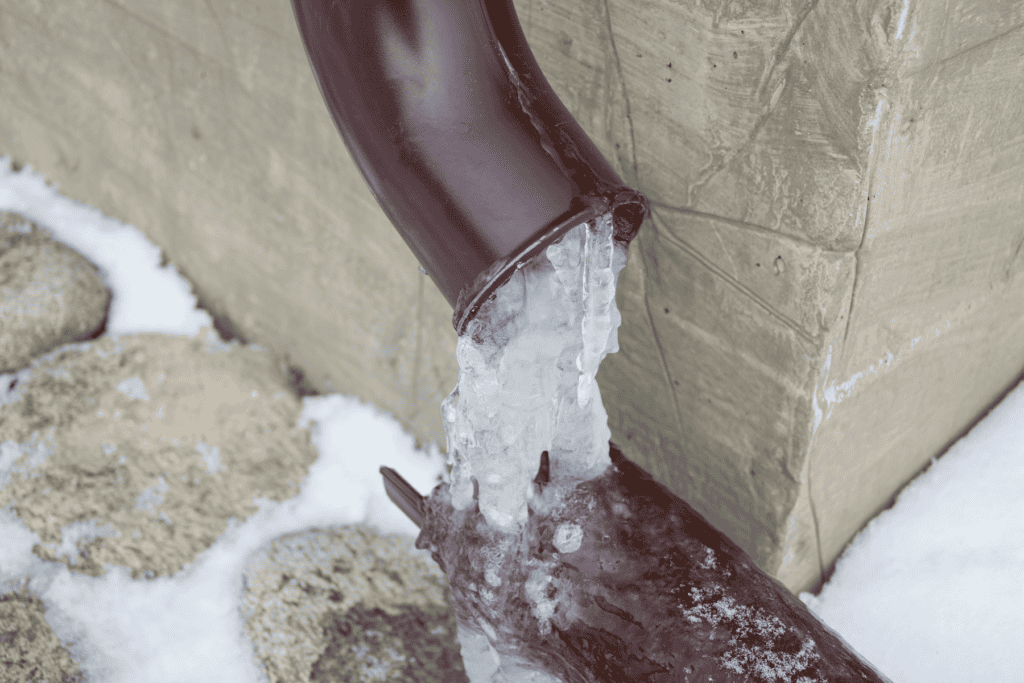
When winter weather arrives in Northern Virginia and Suburban Maryland, cold snaps can create serious plumbing risks. Preventing frozen pipes takes a multi-layered approach, not a single quick fix. You can protect your property by combining pipe insulation, draft sealing, heat management, and outdoor plumbing preparation.
My Plumber Plus has served local homeowners as a trusted plumber in Manassas, VA since 1982. Proactive winter care helps you prevent structural water damage and costly plumbing emergencies. Understanding how cold air affects exposed lines helps you focus winterization efforts where your property needs them most.
At What Temperature Do Pipes Freeze?
Many homeowners wonder how cold outdoor air must get before plumbing faces danger. Water freezes at 32 degrees Fahrenheit, but pipes inside a building do not freeze instantly. According to American Red Cross research, the danger threshold for exposed or uninsulated plumbing begins when outdoor temperatures drop to 20 degrees Fahrenheit or lower.
The actual risk depends on insulation quality, pipe material, airflow, and how long cold conditions last. Strong wind gusts accelerate heat loss around exterior walls and unconditioned spaces. Poorly insulated areas allow cold drafts to settle directly against water supply lines. Monitoring weather forecasts gives you time to prepare vulnerable plumbing before deep freezes set in.
Vulnerable Plumbing Areas Around the Home
Certain sections of household plumbing are more exposed to frigid air than others. Supply lines running through unconditioned spaces usually freeze first when temperatures plunge. Identifying these target locations is an essential step in frozen pipe prevention.
Pipes in exterior walls, crawl spaces, unheated basements, garages, and attics require close attention. Sink plumbing located against outer walls can also freeze if warm indoor air cannot reach inside cabinetry. Professional plumbing services in Northern Virginia often identify unsealed wall penetrations and gaps near hose bibs as major entry points for freezing air. Protecting these high-risk areas helps safeguard your home from sudden plumbing failures.
The Best Way to Prevent Frozen Pipes: DIY vs. Professional Solutions
Protecting your plumbing requires understanding the trade-offs between self-service winterization and professional plumbing maintenance. Homeowners can complete basic DIY tasks quickly and cheaply. Installing foam pipe sleeves, sealing visible drafts, and opening cabinet doors offer effective immediate protection for accessible lines. However, DIY methods may miss hidden supply lines in deep crawl spaces, attics, or exterior wall cavities.
Professional plumbing services provide comprehensive protection for complex or high-risk plumbing layouts. Experienced technicians conduct thorough inspections, install self-regulating heat trace cables, and insulate hard-to-reach supply lines. While professional servicing requires an upfront investment, it offers superior long-term reliability against severe winter storms and helps prevent catastrophic water damage.
How to Keep Pipes From Freezing Without Heat
Active interior heating is vital, but physical barriers are critical during power outages or in unheated zones. Stopping cold air drafts at key entry points helps protect supply lines when temperatures drop. The Insurance Institute for Business & Home Safety (IBHS) recommends keeping interior thermostats set to at least 55 degrees Fahrenheit to maintain safe ambient heat around hidden plumbing.
Applying foam pipe insulation or electrical heat tape to exposed lines creates a protective thermal barrier. Sealing gaps around exterior wall penetrations, electrical conduits, and outdoor faucets stops cold wind from hitting bare metal or plastic lines. Disconnecting garden hoses before winter lets water drain from exterior spigots, preventing ice from expanding inward into interior pipes.
Practical Steps for Winterizing Household Plumbing
A clear protection strategy helps keep your plumbing functional during severe winter weather. Combining physical maintenance with daily winter habits provides the best way to prevent frozen pipes across your property.
- Insulate exposed pipes in basements, crawl spaces, attics, and garages with foam sleeving.
- Seal air leaks near plumbing penetrations using caulk or expanding foam insulation.
- Open cabinet doors under kitchen and bathroom sinks during extreme cold to allow warm air to circulate.
- Disconnect, drain, and store all outdoor hoses, and shut off interior valves to outdoor faucets.
- Keep thermostat settings consistent day and night during severe cold snaps.
Taking the time to winterize your home’s plumbing reduces overall stress on household systems. Homeowners seeking reliable plumbing services in Manassas, VA can schedule a professional inspection to address vulnerable crawl space lines before winter arrives.
Does Running Water Prevent Frozen Pipes?
Allowing a light trickle of water to flow through faucets during extreme cold weather helps prevent ice blockages. Moving water friction delays ice formation within supply lines. An open faucet also relieves internal pressure if ice starts forming elsewhere in the line, reducing the risk of a burst.
You don’t need a heavy stream of water to get results. A slow, steady drip from a faucet served by exposed piping is usually sufficient during severe cold snaps. Choose faucets connected to vulnerable lines running along exterior walls or through unheated basements. While dripping faucets slightly increases water usage, they provide valuable protection during severe cold events.
How Do You Know if Your Pipes Are Frozen?
Recognizing early warning signs allows homeowners to fix frozen lines before expanding ice causes structural damage to pipes. When a pipe begins to freeze, water flow to connected fixtures can become restricted or stop entirely.
A sudden loss of water pressure at a faucet is usually the first sign of an internal ice blockage. Frost visible on exposed piping in basements or cabinets also confirms that freezing has occurred. Strange odors from fixtures may indicate ice is blocking your line, which requires prompt attention, such as professional drain cleaning in Manassas, VA. Spotting these signs early gives you time to respond safely and restore proper water flow.
Safe Thawing Techniques for Homeowners
If you suspect a pipe has frozen, act immediately and safely to prevent pressure buildup and pipe bursts. Turn off the main water supply valve immediately to minimize potential flooding if a crack has developed. Open the connected faucet to relieve internal pressure as the ice melts.
Apply gentle heat to the frozen section using a hair dryer, portable space heater, or warm towels wrapped around the pipe. Never use open flames, blowtorches, or propane heaters, as intense heat creates severe fire hazards and can damage plumbing materials. Don’t leave heating equipment unattended or use risky electrical setups in damp conditions. If you need electrical repair or broader electrical services in Northern Virginia due to tripped breakers, contact a qualified technician immediately. If a pipe remains frozen or bursts, call a licensed plumber to restore safe service.
Protecting Your Home From Winter Plumbing Risks
Protecting your home from winter plumbing damage requires early planning and a clear strategy. The best way to prevent frozen pipes is to combine quality insulation, draft sealing, proper heat management, and outdoor plumbing care. Taking these practical steps before severe weather arrives keeps your home safe and functional throughout the winter months.
Regular plumbing care and timely inspections of vulnerable areas ensure your plumbing handles freezing temperatures with minimal risk. When you have complex pipe layouts or signs of frozen lines, partnering with experienced professionals helps keep your property fully protected.
Schedule Winterization Care With My Plumber Plus
Protect your home from winter plumbing hazards with expert assistance from My Plumber Plus. Serving Northern Virginia and Suburban Maryland homeowners since 1982, our experienced team provides reliable plumbing maintenance, inspection, and repair. Call us today to schedule your winterization service.