
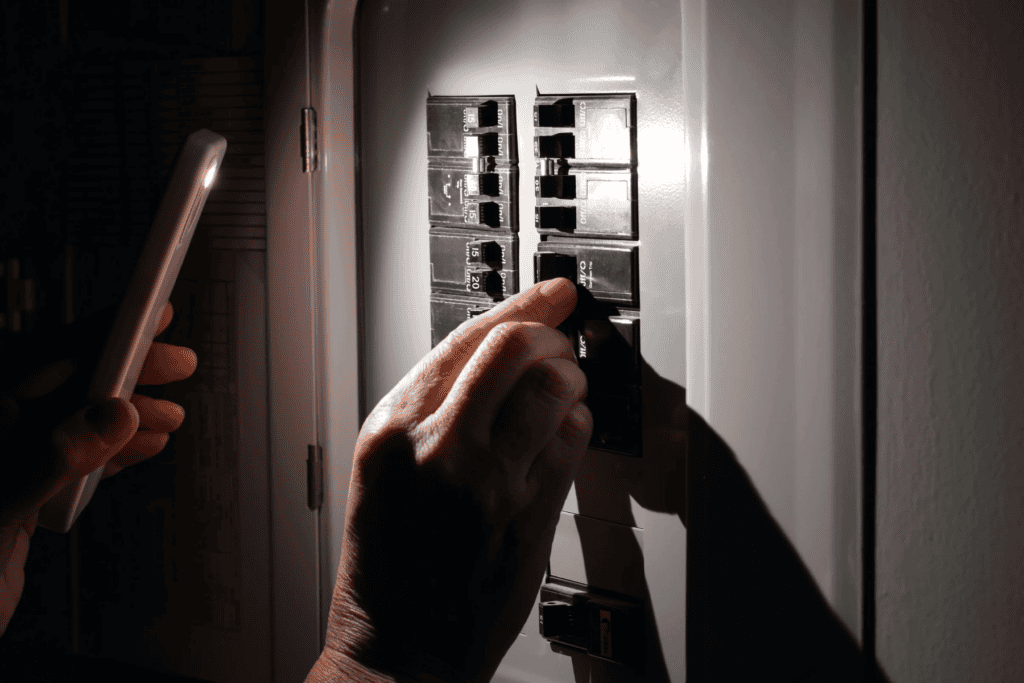
A very faint hum from an electrical panel can be normal under heavy load, but a loud, steady, or crackling breaker box buzzing sound usually means something is wrong. That harsher noise often points to a loose wire connection, an overloaded circuit, or a failing breaker, and a licensed electrician should check it promptly. Ignoring unusual electrical sounds can allow underlying heat damage to spread behind the metal cover.
Electrical panels work quietly in the background to distribute power across your home. When unexpected vibrations or crackling sounds develop, paying close attention to the noise helps you protect your electrical system and your household. This guide breaks down the difference between harmless sounds and critical warning signs, explains what homeowners can safely check, and details when to bring in professional help.
Why Is My Breaker Box Buzzing?
Homeowners often notice electrical sounds during quiet evenings or right after major appliances start up. While normal electricity flow creates subtle vibration, distinct changes in pitch or volume can indicate that current is struggling to move properly through the system. Understanding how routine operating noise differs from mechanical failure helps you determine whether your system requires prompt attention.
Breaker Box Humming vs. Breaker Box Buzzing
A low, barely audible hum is generally normal for a breaker panel operating during periods of high power demand. Alternating current naturally causes tiny magnetic vibrations within panel components, which can cause faint electrical panel humming. In contrast, a circuit breaker buzzing with a harsh, persistent rasp usually points to excessive resistance, arcing, or internal mechanical strain. If you hear a loud electrical panel buzzing from several feet away, the equipment is signaling a condition that requires an expert look.
Why Is My Electrical Panel Buzzing? Common Causes
When you ask why your electrical panel is buzzing, several physical defects inside the enclosure are typically responsible. Loose wire connections at a breaker terminal or the neutral bus bar can vibrate rapidly and produce a breaker panel buzzing sound as current leaps across microscopic gaps. An overloaded circuit drawing more power than intended can also strain internal components, while older panel designs may lack the capacity to handle modern household equipment. Moisture intrusion or corrosion inside the metal cabinet can further degrade contact surfaces, causing your breaker box to buzz as current struggles to maintain a clean path.
Breaker Buzzing but Not Tripping: Understanding the Danger
A circuit breaker is a vital safety switch for your home. When electrical demand spikes or a short occurs, internal mechanisms shut off power to prevent wiring from overheating. If a breaker begins to buzz without cutting off power, you may be facing a serious hazard.
Why a Buzzing Breaker That Fails to Trip Is Serious
A breaker that buzzes but doesn’t trip can be far more dangerous than one that trips repeatedly. When a breaker trips properly, it fulfills its primary design function by cutting electricity before heat can melt insulation or spark a fire. A breaker buzzing without tripping indicates that internal bimetal strips or magnetic trip sensors may be jammed, worn out, or damaged. In this scenario, the unit produces an audible buzzing sound from breaker box components while continuing to feed raw power into a compromised line, allowing thermal energy to accumulate rapidly.
Warning Signs That Accompany Panel Noise
An abnormal noise from your panel rarely occurs in total isolation. Physical symptoms often accompany the sound and signal that internal components are deteriorating under intense thermal stress. Homeowners should watch for these secondary clues that an electrical panel needs to be inspected:
- A panel cover or individual breaker switch that feels warm or hot to the touch
- An acrid, fishy, or burning plastic odor coming from the utility area
- Scorch marks, dark discoloration, or melted plastic around breaker switches
- Lights that flicker or dim whenever major appliances cycle on
- Visible sparks or persistent crackling coming from behind the panel door
- Circuit switches that shut off repeatedly under standard everyday use
These warning signs indicate that heat and electrical arcing are compromising your system’s integrity. Continuing to run high-draw equipment under these conditions risks permanent damage to connected appliances and increases the danger of an electrical fire. Addressing these red flags right away protects your home from sudden system failure.
Safe Steps Homeowners Can Take and Safety Precautions
When your breaker box starts making noise, taking the right preliminary steps can protect your household and give your technician helpful clues. Knowing your personal limits is essential because working around live electrical distribution equipment carries severe shock hazards. Homeowners can safely gather helpful observations without ever placing their hands inside dangerous equipment.
What You Can Safely Check on Your Panel
Start by safely observing the outside of your electrical cabinet while keeping the protective deadfront cover firmly in place. Note which switch the sound seems to come from, and notice whether the tone shifts when large appliances like your dryer or A/C unit cycle on. Unplugging non-essential electronics on that particular branch can temporarily reduce the electrical load and minimize strain. If you notice your breaker box buzzing during high-demand hours, keep the area around your panel dry, clear, and easy to reach. Never remove the panel cover or keep resetting a breaker that buzzes or trips. If you see sparks or smoke or smell burning, leave the home and call 911.
When to Call an Electrician for Panel Service
Any loud, continuous, or crackling sound demands prompt evaluation from a qualified technician rather than a wait-and-see approach. Schedule a prompt visit if you find a hot breaker switch, detect burning odors, or have an older panel struggling with modern power demands. Licensed technicians possess specialized diagnostic tools to pinpoint hidden electrical faults safely without exposing your family to hazardous voltage.
During an electrical inspection, an electrician removes the deadfront cover to examine wire terminations, measure circuit loads, and tighten loose bus bar connections. They test individual switches, replace worn or damaged breakers, and assess whether your total household electrical demand requires a complete electrical installation. If your system is vulnerable to grid fluctuations or lightning strikes, your technician can also recommend home surge protection to safeguard sensitive electronics across your property.
Routine electrical care helps prevent minor vibration issues from expanding into costly wiring failures throughout your home. Investing in timely repairs keeps your electrical service reliable and protects the appliances you depend on every day. Addressing unusual sounds early gives you confidence that your home’s central power hub operates safely.
Schedule Professional Electrical Services Today
If you notice a persistent breaker box buzzing in your utility room or basement, trust the licensed electricians at My Plumber Plus to restore your peace of mind. We have provided dependable electrical repair in Manassas, VA, and surrounding communities since 1982. From diagnosing loose connections to complete panel replacements, our experienced technicians arrive prepared to solve your electrical concerns safely and efficiently.
We believe in honest communication, so we offer straightforward upfront pricing and convenient same-day service for urgent panel repairs. Our electrical services in Northern Virginia cover everything from single breaker repairs to full panel upgrades. Local homeowners can count on our licensed electricians for transparent recommendations on every service call.
Don’t let a buzzing panel jeopardize your home’s safety and comfort. Contact My Plumber Plus today to schedule your electrical inspection.