
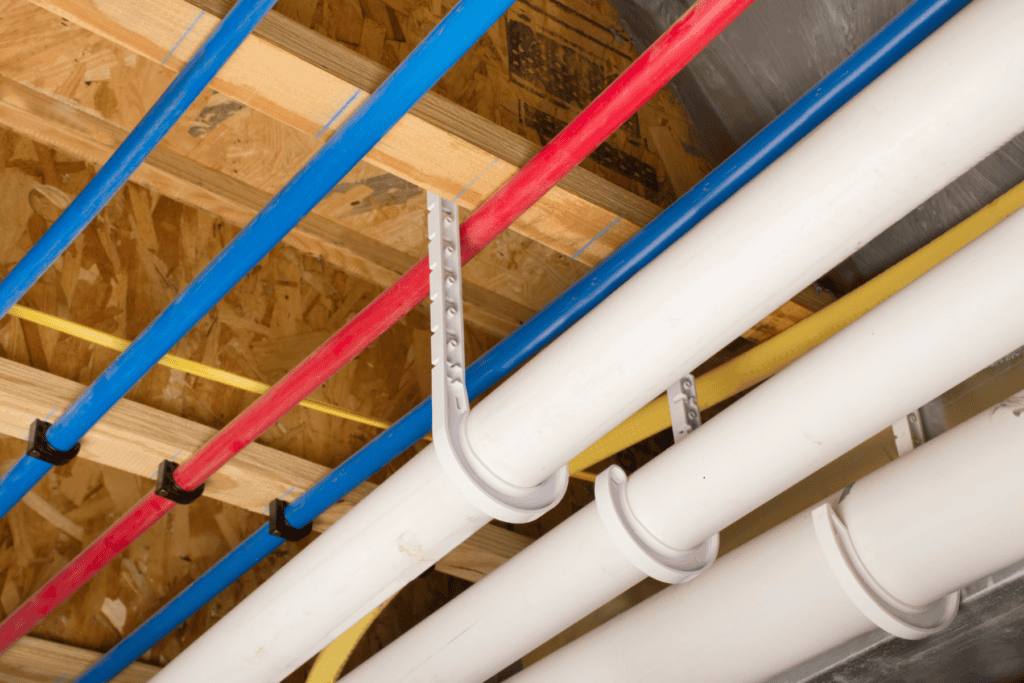
Repiping a house means replacing the primary hot and cold water supply lines that deliver potable water to plumbing fixtures throughout your residence. Whole-home replacement is usually worth the investment when older plumbing lines suffer from recurring leaks, persistent water pressure drops, or internal corrosion that isolated fixes cannot resolve. Homeowners evaluating dependable plumbing services in Northern Virginia often find that a whole-house repipe provides lasting peace of mind. In this guide, you will learn how to identify failing plumbing materials, recognize key warning signs, and understand the installation process so you can make an informed decision for your residence.
What Does Whole-House Repiping Include?
Many homeowners are unsure about how much of their plumbing system is actually replaced during whole-house repiping. The project focuses strictly on incoming pressurized water distribution lines, not the wastewater drainage networks hidden beneath floors or behind bathroom walls. Understanding this distinction helps property owners evaluate their plumbing needs accurately before deciding whether to repipe the house.
Fresh Water Supply Lines Versus Drainage Systems
A complete repiping project involves removing or bypassing the aging hot and cold fresh water supply lines that run through walls, attic spaces, and crawlspaces. Technicians connect durable new tubing directly to sinks, bathtubs, showers, toilets, and laundry hookups to ensure dependable water distribution across every room. This scope excludes drain stacks and main waste lines, which handle wastewater exiting by gravity rather than constant municipal supply pressure.
When Spot Plumbing Repairs Make More Sense
Complete pipe replacement isn’t necessary every time a small plumbing issue develops inside a wall or under a cabinet. If a technician inspects your plumbing and finds the surrounding pipe network remains sturdy and uncorroded, professional plumbing maintenance and repair is often the logical next step. Spot repairs suit isolated joint failures, physical damage from a rogue nail, or replacing a single damaged valve.
What Are the Signs You Need to Repipe Your House?
Homeowners can identify the signs they need to repipe their house by watching for declining water clarity, recurring moisture spots, and unexplained drops in flow. Hidden pipes frequently show visible symptoms across connected faucets and basement access points long before a total pipe breakdown occurs. If multiple plumbing fixtures in your residence exhibit sluggish flow or strange noises, your distribution network may be nearing the end of its serviceable life.
- Frequent or repeat leaks occurring across different sections of your plumbing network
- Recurring pinhole leaks appearing on the exterior surfaces of copper lines
- Sudden or persistent drops in water pressure affecting multiple fixtures simultaneously
- Discolored water carrying a brownish tint or a noticeable metallic aftertaste
- Visible flakes, rust, or greenish oxidation building up along exposed pipes in basements or utility closets
- Loud banging, clattering, or rattling sounds resonating through walls whenever faucets are turned on or off
Noticing more than one of these symptoms indicates widespread deterioration rather than an isolated fitting failure. When plumbing materials degrade throughout a residence, continuing to patch individual leaks leaves surrounding pipes vulnerable to future ruptures. Scheduling a plumbing inspection with a licensed plumber in Manassas, VA, can show whether internal degradation has compromised the overall integrity of your pipe walls.
Galvanized Steel Pipes and Internal Corrosion
Galvanized steel was common in older construction, but the protective zinc coating on the interior walls gradually breaks down over time. As rust accumulates inside the pipe bore, water flow slows significantly, and rust flakes can enter household drinking water. Galvanized pipe replacement removes these internal blockages and helps protect modern appliances from sediment accumulation.
Polybutylene Piping Vulnerabilities
Polybutylene was widely used in residential construction for decades because of its flexibility and low production cost. Over time, standard water-treatment oxidants can cause the interior plastic to flake, become brittle, and rupture unexpectedly. Polybutylene pipe replacement is often recommended because these lines can fail with little warning and cause serious water damage.
Aging Copper Lines and Pinhole Leaks
Copper has long been considered a reliable plumbing standard, but water chemistry and pipe wall friction can eventually thin the pipe walls. When copper lines deteriorate, they often develop tiny pinhole leaks that seep undetected behind finished walls or above finished ceilings. A single pinhole leak might be repairable, but multiple leaks along the same branch indicate that the copper tubing has thinned throughout the property.
Is Repiping a House Worth It?
The practical answer depends on evaluating overall system reliability, home preservation, and the daily convenience of steady water pressure. Replacing failing lines provides clear drinking water, restores strong flow to every fixture, and reduces the risk of hidden water damage. Upgrading an outdated distribution network can also add confidence if you eventually decide to sell your property.
Modern Replacement Options: PEX Repipe and Copper
Today, homeowners typically choose between flexible cross-linked polyethylene and traditional rigid copper when replacing residential plumbing lines. A modern PEX repipe is popular because the flexible tubing can be guided through wall cavities with fewer drywall cuts and fewer mechanical joints. Copper remains a rigid, durable alternative that resists heat and UV degradation, and a professional technician will evaluate your home layout to recommend the most suitable material.
What to Expect During a House Repipe Project
The process begins with a detailed walkthrough inspection where the crew maps out line routes to fixtures, laundry units, and water heaters. Technicians make small, deliberate access openings in drywall or ceilings to thread the new water lines directly to each fixture without unnecessary disruption. Once the lines are installed, the crew conducts thorough pressure testing to verify tight seals, restores household water service before finishing for the day, and patches drywall access cuts.
Why a Licensed Professional Should Manage the Work
Water supply lines operate under continuous municipal pressure, meaning improper fittings or poor routing can quickly lead to severe structural damage. A licensed technician understands correct line sizing, proper pipe-securing techniques, and how to protect your plumbing infrastructure from water hammer. An experienced plumber also pressure tests every connection before the walls are closed up.
When Should You Repipe a House?
Determining when to repipe a house depends on the recurring nature of your leaks, the overall condition of your pipe material, and persistent water quality issues. While a single loose connection warrants a simple spot fix, chronic pipe thinning or persistent sediment calls for a comprehensive replacement strategy. Investing in repiping a house safeguards your finished drywall, restores balanced water delivery, and removes the uncertainty of aging plumbing infrastructure. Local homeowners who schedule a professional assessment gain a clear understanding of their plumbing health before small seeps turn into major water damage.
Schedule Your Repiping Consultation With My Plumber Plus
If you are dealing with low water pressure, discolored tap water, or repeat plumbing leaks, the team at My Plumber Plus is ready to assist. Since 1982, our licensed plumbers have provided dependable plumbing services in Manassas, VA, and throughout surrounding Northern Virginia communities. We deliver upfront pricing, convenient financing options, and reliable same-day service so you can restore your home plumbing with confidence. Contact us to book your whole-home repiping inspection today.