If you own an older home, you may discover a Federal Pacific panel in your electrical system. These electrical panels manage power sent to your lights, outlets, and household appliances. Federal Pacific Electric panels were commonly installed in older U.S. homes. Today, many homeowners only discover this equipment during a home sale or an insurance renewal. Finding this brand in your basement can raise questions about home safety. This guide covers how to identify this hardware. You will also learn about past performance studies and what technicians check during an electrical service call.
Identifying a Federal Pacific Panel in Your Home
Checking your electrical distribution equipment takes only a quick visual inspection. You do not need special tools or electrical training to check your equipment door.
Equipment Labels and Nameplates
The easiest way to identify a Federal Pacific panel is by reading the label on the enclosure door. Most units carry a metal plate or paper sticker with the Federal Pacific Electric name or FPE logo. You may also see the Stab-Lok brand stamped on the front metal door. Over time, paint or wear can hide these markings. If you cannot read the label, a professional can identify the model by its exterior casing.
Identifying Stab-Lok Breakers
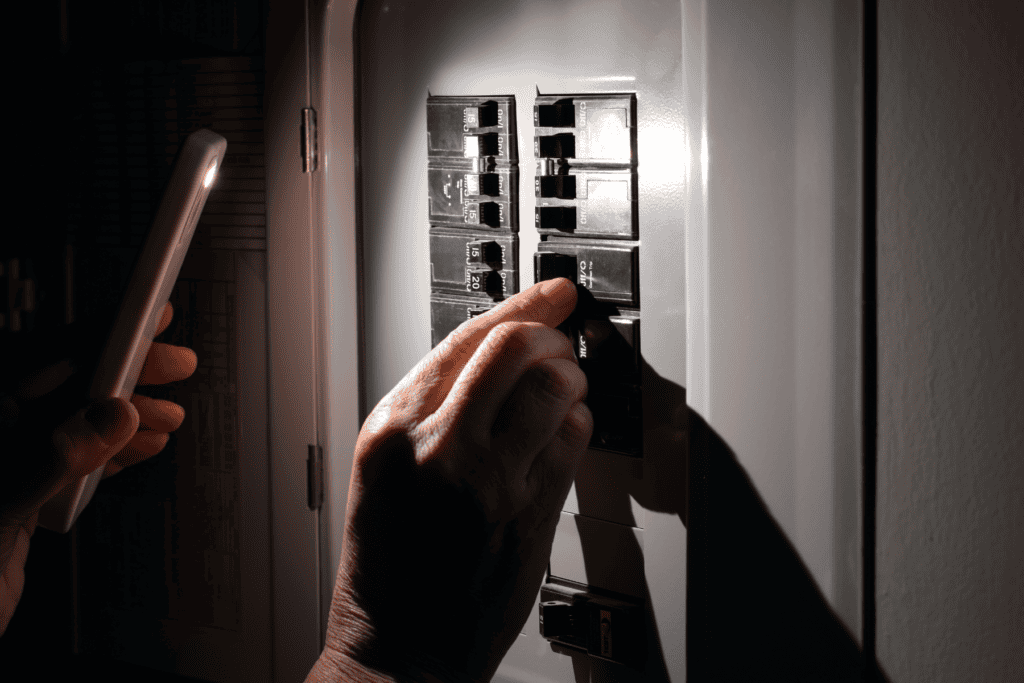
If your panel has an exterior hinged door, you can look for visible labels and breaker markings without removing any protective covers. A Federal Pacific panel uses distinctive breakers that clip into an internal bus bar. A bus bar is a thick metal strip that conducts electricity from the main supply to each branch breaker. These breakers feature colored handles, often in bright red or orange. Some switches have colored striping across the toggle switch. Do not remove the protective deadfront cover or touch breakers, wiring, or other internal components. If the identifying labels are unclear, have a licensed electrician inspect the equipment.
Understanding How Circuit Breakers Work and Where Concerns Arise
Circuit breakers act as automatic safety switches. They shut off power when electrical current reaches unsafe levels. This action protects house wiring from overheating and helps prevent electrical fires.
The Critical Role of Circuit Protection
Every circuit in your house has a specific current rating. For example, your kitchen circuits handle heavier loads than general lighting runs. If you plug in too many appliances, the wire draws excess current. A functional breaker trips right away to stop the flow of electricity. If a breaker binds or fails to trip, current continues to flow through hidden wall wiring. This continuous overload creates dangerous heat buildup along the conductors.
What the CPSC Investigation Examined
In June 1980, the Consumer Product Safety Commission (CPSC) began investigating Federal Pacific Electric circuit breakers after receiving reports that many did not fully comply with Underwriters Laboratories requirements. CPSC testing confirmed that certain breakers failed UL calibration test requirements, and the investigation focused primarily on two-pole residential circuit breakers. The CPSC closed its investigation in March 1983 without determining that FPE circuit breakers posed a serious risk of injury. The agency cited the available evidence, the cost and uncertainty of additional investigation, and limited resources in its decision not to continue the inquiry.1
Even without a federal recall, an aging Federal Pacific panel warrants attention. Decades of heavy electrical loads and internal mechanical wear can cause older switch parts to bind.
Warning Signs and When to Schedule an Evaluation
Older electrical panels often show warning signs before they break down completely. Catching these early warnings protects your appliances and your home.
Observable Symptoms of Electrical Strain
Check your panel regularly for signs of electrical strain, especially if the equipment is older or has been in service for decades. Changes in how breakers operate, unusual heat, visible discoloration, or new sounds and odors can all indicate that components are wearing down or connections are no longer performing as they should. Because electrical panels contain energized parts even when individual breakers are switched off, homeowners should limit inspections to visible exterior signs and avoid removing protective covers.
- Breakers that feel loose or fail to reset with a firm click.
- Breaker switches that show black burn marks or scorch residue.
- Unusual heat or discoloration around the electrical panel.
- Fishy, chemical, or burning plastic smells coming from the box.
- Buzzing or crackling sounds behind the metal cover.
If you notice any of these warning signs, stop using affected circuits when possible and schedule an inspection with a licensed electrician. A professional can safely evaluate the panel, identify heat damage or worn components, and determine whether repair, monitoring, or replacement is the most appropriate next step.
What an Electrician Evaluates During an Inspection
A qualified technician completes a thorough walkthrough of your electrical hardware. The electrician safely removes the deadfront cover to check the bus bars for pitting and heat damage. Technicians also evaluate whether your service capacity meets modern household needs. If you need electrical repair in Manassas, VA, a local technician can inspect your panel and recommend modern equipment options.
Making Informed Decisions About an Older Federal Pacific Panel
Owning a home with an older electrical box does not mean you have an emergency today. Still, you should evaluate older electrical equipment based on its condition, performance, and ability to meet the home’s current electrical demands. A licensed electrician can inspect the panel for signs of overheating, damage, loose connections, or other concerns. Modern households rely on high-draw equipment, including electric cars and heat pumps. Today’s homes often place greater electrical demands on older panels because of larger appliances and additional electrical equipment. A licensed electrician can inspect your Federal Pacific panel, explain the equipment’s condition, and recommend whether to repair, monitor, or replace it. You can then plan any needed updates on your own schedule.
Schedule an Electrical Panel Inspection With My Plumber Plus
Protect your home with a dependable electrical system that meets current codes. My Plumber Plus has served communities in and around Manassas, Virginia since 1982. Our licensed, experienced professionals provide upfront pricing and same-day service options so you can plan with confidence. We also offer convenient financing options to make panel replacements manageable. Contact My Plumber Plus today to schedule your system walkthrough.
Source
- United States Consumer Product Safety Commission. March 03, 1983. Commission Closes Investigation Of FPE Circuit Breakers And Provides Safety Information For Consumers.