
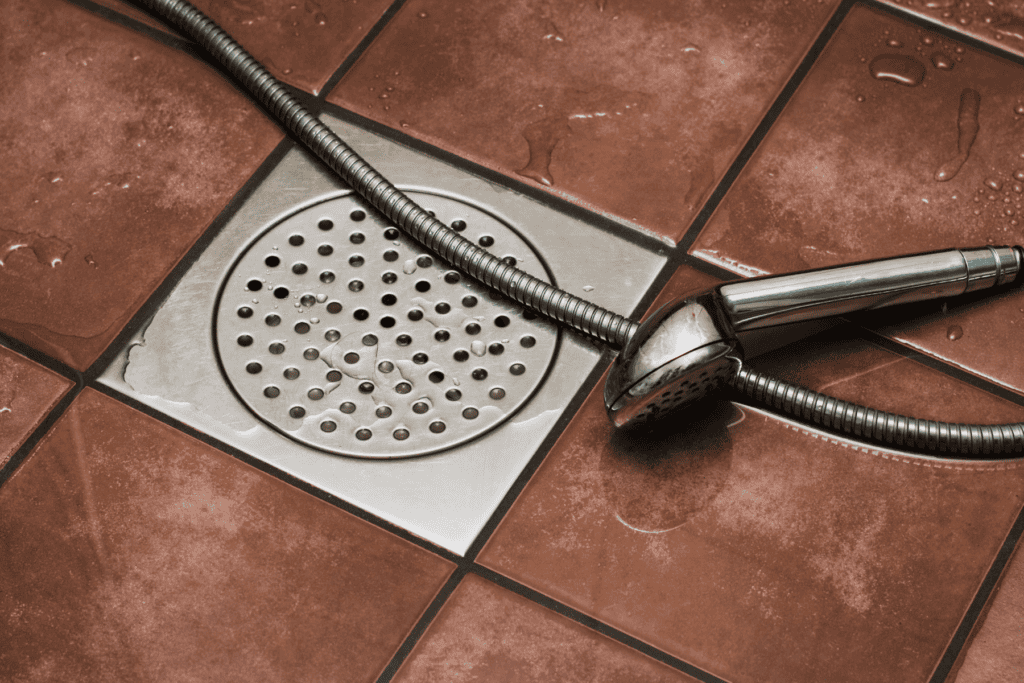
A shower drain smells when decomposing organic matter collects along the pipe walls or sewer gas escapes past the plumbing trap. Homeowners often wonder if the problem is a simple surface issue or a sign of deeper trouble in the plumbing lines. Unpleasant bathroom odors can stem from routine product residue or more complex venting and trap issues.
Learning what causes a smelly shower drain is the first step toward clearing the air. In many cases, everyday debris like hair, skin cells, and soap residue collects just below the grate and feeds odor-causing bacteria. In other situations, sewer gas can escape into the living space because of a dry trap or a blocked ventilation pipe. This guide explains why these odors develop, simple ways to maintain your drains safely, and when to call an experienced technician to inspect your system.
Common Surface Causes of Shower Drain Odor
Most shower drains handle large amounts of water, soap, shampoo, and organic material every single week. Over time, that mixture forms deposits along the pipe’s inner walls, creating an ideal environment for foul scents to develop near the drain opening.
Biofilm and Bacterial Buildup
One of the most common sources of an unpleasant smell from shower drain openings is a sticky substance called biofilm. Biofilm develops when bacteria feed on soap scum, body oils, and dead skin cells clinging to the drain pipe. As these colonies expand, they generate a distinct musty or sour smell that drifts upward whenever warm water flows into the shower basin. Wiping the visible surface of the drain grate will not solve the odor if colonies keep thriving along the pipe walls beneath the cover.
Trapped Hair and Debris Accumulation
Strands of shed hair frequently slip through the strainer and catch on small imperfections, screws, or brackets inside the pipe. This trapped hair acts like a net, collecting thick layers of conditioner, shampoo residue, and shaving cream. As this organic matter sits damp in the pipe, it begins to decompose and produce a noticeable shower drain odor. If water drains sluggishly around your feet while you bathe, accumulated hair and soap residue are almost certainly clinging together inside the pipe.
Plumbing System and Ventilation Issues
Not every foul odor comes from hair or soap scum lodged near the strainer. Plumbing systems rely on water barriers and balanced air pressure to isolate household living areas from municipal waste lines. When mechanical components fail or dry out, foul sewer air can enter the bathroom.
Dry or Siphoned P-Traps
The curved pipe underneath your shower floor is called a P-trap, and its primary job is to hold a small amount of standing water at all times. That water forms a physical barrier that helps prevent sewer gases from rising up the drainpipe. If a guest bathroom sits unused for weeks, the water seal in the trap can evaporate completely. When that happens, homeowners often complain that the shower drain smells like sewer gas. Running the shower faucet for a minute often refills the trap and solves the issue immediately. If the smell persists in a daily-use bathroom, the trap may be leaking or losing its water seal due to negative pressure in the line.
Vent Pipe Blockages and Sewer Gas
Plumbing vents extend through your roof to equalize air pressure across your drainage pipes and safely vent waste gases outdoors. When a plumbing vent becomes blocked, it can interfere with the pressure balance inside the drainage system. In some cases, this can cause the trap’s water seal to be lost and allow sewer odors to enter the bathroom. If your shower drain smells like rotten eggs or sewage, a ventilation blockage or pipe compromise could be the root cause. A licensed plumber in Manassas, VA can inspect the drain lines and vent piping to identify the pressure imbalance.
Safe Maintenance Steps and When to Call a Plumber
Homeowners can address basic surface odors with routine cleaning, but harsh chemicals can damage pipes and won’t fix structural plumbing issues. Knowing how to clean smelly shower drain components properly protects your plumbing fixtures and keeps your bathroom fresh.
Safe Ways to Clean Drain Openings
To get rid of shower drain smell without harming your pipes, start by removing the drain grate and inspecting the top few inches of the pipe. Using a small plastic drain snake or an old toothbrush, gently pull out hair clumps and scrub the biofilm off the visible walls. After removing accessible hair and residue, flush the drain with warm or hot tap water to help rinse away loosened debris. Avoid combining bleach, commercial chemical cleaners, or acidic solutions, as toxic fumes can quickly fill an enclosed bathroom. Also, don’t expect household liquids to clear deep obstructions or fix mechanical ventilation problems.
Signs That Require Professional Drain Service
Persistent odors may signal deeper blockages, damaged piping, or other drainage problems that require professional diagnosis. Drain cleaning equipment and video camera inspections can help identify the source of recurring problems. Contact an experienced professional if you observe any of the following warning signs in your home:
- Persistent foul odors that return shortly after cleaning the drain cover and trap
- Multiple plumbing fixtures backing up or draining sluggishly at the same time
- Gurgling noises coming from nearby toilets or sink drains whenever the shower runs
- Noticeable sewer odors spreading beyond the bathroom into adjoining living spaces
If your shower drain smells musty day after day despite routine cleaning and surface cleanings, scheduling professional drain cleaning in Manassas, VA, will identify whether tree roots, heavy mineral scale, or sewer blockages are responsible.
Restoring Fresh Air to Your Bathroom
Addressing bathroom odors begins with understanding where the smell originates. While everyday soap residue, trapped hair, and biofilm explain most surface odors, persistent sewer-like smells often indicate an evaporated P-trap seal or a clogged vent stack. Safe, regular cleaning helps manage everyday buildup, but persistent odors and slow drainage call for expert diagnosis.
My Plumber Plus has provided dependable plumbing services in Northern Virginia and Suburban Maryland since 1982. Our certified plumbing specialists have the experience and equipment to trace drain odors directly to their source and recommend lasting repairs.
Schedule Trusted Plumbing Service with My Plumber Plus
Don’t let persistent drain odors disrupt your daily routine. The team at My Plumber Plus delivers clear, upfront pricing and dependable workmanship backed by decades of hands-on experience. Our licensed technicians can help with targeted hydro-jetting, trap evaluation, or a thorough sewer camera inspection. Contact My Plumber Plus today to schedule drain service and restore fresh air to your home.