
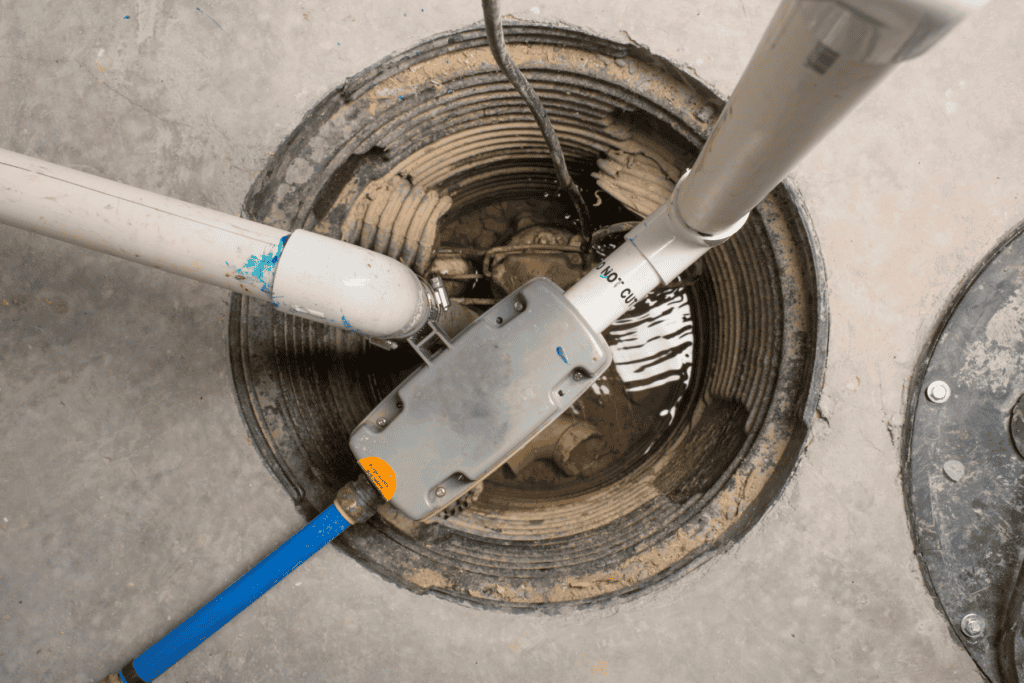
A basement drainage system should run quietly in the background. It should turn on only when water reaches a set level in the pit. When your sump pump keeps running without a break, the constant noise can be worrying. Continuous operation can increase energy use and component wear, but it may also be normal if groundwater enters the basin faster than usual. The key is whether the pump moves water properly and shuts off once the water level falls.
You can easily learn to tell normal operation from a mechanical failure. Some cases require immediate repairs. Other cases simply reflect heavy groundwater flow around your foundation. This guide explains why your sump pump keeps running, what visual checks you can make, and when to call a licensed technician for a system evaluation.
Normal Operation vs. Mechanical Issues
Basement pumps do not run on a set schedule. Their run times depend on soil saturation and local groundwater tables. If your sump pump keeps running during wet conditions, understanding typical pump behavior makes it easier to spot mechanical trouble.
Sump Pump Keeps Running After Rain
It can be normal for a sump pump to keep running after heavy rain because groundwater may continue entering the basin even after the storm ends. If the pump moves water normally and cycles off as the basin level falls, extended operation may simply reflect saturated soil conditions. Sump basin size and capacity vary by installation, so no single standard volume applies to every home.
Why Is My Sump Pump Running Constantly?
Homeowners often ask, “Why is my sump pump running constantly during dry weather?” Continuous operation during dry weather can result from ongoing groundwater inflow, a stuck float switch, water flowing back through the discharge line, pump sizing issues, or a mechanical problem. However, check the basin while the motor is active. If the basin is nearly empty while the motor keeps running, evaluate the system rather than assuming one component has failed.
Sump Pump Keeps Turning On Rapidly
Frequent short cycling occurs when a sump pump keeps turning on and off every few minutes or seconds. This rapid cycling happens when the basin fills too fast, or the float switch is improperly adjusted. It can also happen when discharged water flows back into the pit. Frequent short cycling increases pump starts and can accelerate wear on switch and pump components. Zoeller notes that short cycling can reduce switch-assembly service life and that a properly installed check valve can help reduce cycling when discharged water would otherwise return to the basin.
Common Reasons Your Sump Pump Keeps Running
When a sump pump keeps running without pausing, mechanical or hydraulic faults usually cause it. Identifying the root cause helps you decide whether to make a simple adjustment or call for service.
Sump Pump Float Switch Stuck
The float switch signals the motor to start and stop based on water depth. System vibrations can shift the pump against the pit wall. This can leave the sump pump float switch stuck in the up position. Tangled cords and mineral buildup can also trap the float.
Homeowners can visually check whether the float has enough room to move freely and whether cords or debris interfere. Do not reach into the basin or reposition the pump or switch while the equipment is energized. If the float appears unobstructed and the pump still will not shut off, a technician can test the switch and related controls.
Failed Check Valve Operation
The check valve is a one-way flap on the vertical discharge pipe. It prevents pumped water from falling back into the pit after the cycle ends. When this valve fails or clogs with sediment, water rushes backward into the basin. The returning water lifts the float right back up. This flaw creates a continuous loop where the sump pump won’t stop running for more than a few moments. Check-valve replacement may require work on the discharge piping, so a plumber should evaluate recurring backflow or repeated cycling.
Sump Pump Running But Not Pumping Water
If the motor runs but the water level does not fall, possible causes include an airlock, blocked discharge line, intake obstruction, or a pump or impeller problem. Some manufacturers specify a vent or weep hole to help prevent air locking when a check valve is installed. For example, a 3/16-inch vent hole is specified for applicable installations, but homeowners should follow the instructions for their specific pump rather than assuming one hole size applies universally.
Sizing and Severe Weather Flow
A sump pump may also run continuously when water enters the basin faster than the equipment can remove it. Pump capacity depends on the specific model, vertical lift, discharge piping, and required flow, so horsepower alone does not determine how much water the system can move. If heavy storms consistently overwhelm the pump, a plumber can evaluate the home’s drainage conditions and determine whether the pump or overall sump system is properly sized.
Safe Sump Pump Troubleshooting and Visual Checks
Homeowners can perform simple, safe visual checks around the pit. Always keep your hands away from electrical wiring. Never reach into standing water while equipment remains connected to power.
Before scheduling service, look for obvious conditions that may help explain why your sump pump keeps running:
- Look at the basin to see whether water is continuously entering from the home’s drainage system.
- Visually confirm that the float has clear space around it and isn’t pressed against the basin wall or tangled in a cord.
- Listen for unusual grinding, rattling, or humming while the pump operates.
- Look at the exterior discharge outlet for visible ice, mulch, soil, or other material blocking the path.
- Check whether the sump-pump circuit breaker is tripped, but do not repeatedly reset a breaker that trips again.
These observations can help narrow down the problem without requiring homeowners to disassemble the system. If you notice sparks, a burning odor, water around electrical connections, repeated breaker trips, or a pump that runs without lowering the basin water level, stop troubleshooting and schedule electrical services in Northern Virginia.
When to Schedule Professional Service
A sump pump that keeps running when water inflow is low can wear out unnecessarily. If the pump does not shut off after the water level falls, runs without moving water, or repeatedly short-cycles, schedule professional service.
Professional sump pump repair can include checking the float switch, check valve, discharge line, pump operation, electrical connections, and overall system condition. Base replacement decisions on the pump’s performance, condition, and repair history rather than a universal age cutoff. If problems recur or the unit needs extensive repairs, a technician can help compare repair with replacement.
Protect Your Basement with Reliable Plumbing Care
If you wonder, “Why does my sump pump keep running?” or your sump pump won’t shut off, My Plumber Plus can help identify the cause. Since 1982, My Plumber Plus has provided sump pump and plumbing services across Northern Virginia and Maryland, with upfront pricing before work begins. Our licensed technicians can evaluate persistent running, cycling, discharge, and float-switch problems and recommend repairs or replacement based on the system’s condition. Schedule an inspection online today to help keep your basement protected.